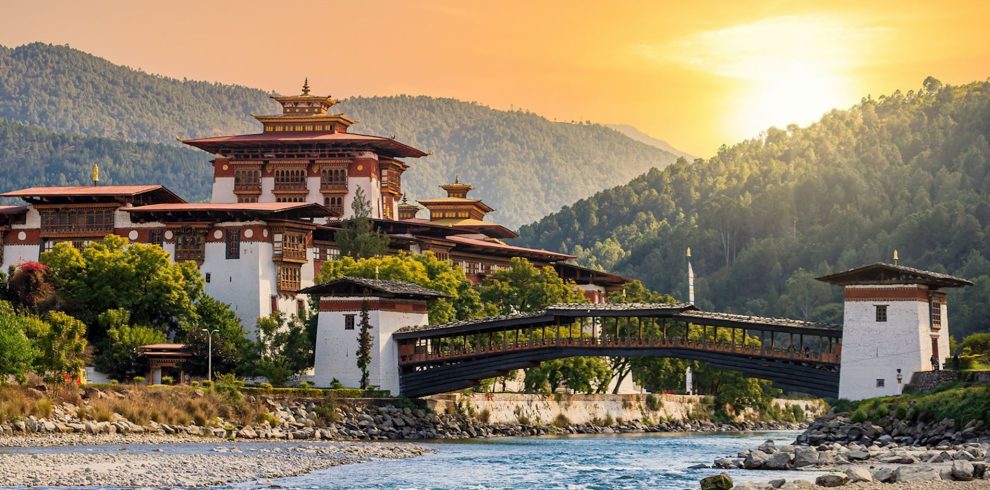

Mongar, located in eastern Bhutan, is one of the country’s historically significant districts, serving as a key administrative and cultural center in the east. The region has long been inhabited by Bhutanese communities who practiced subsistence agriculture in the fertile valleys and terraced hillsides. Mongar’s strategic location along eastern trade and travel routes made it an important hub for connecting remote villages with central Bhutan.
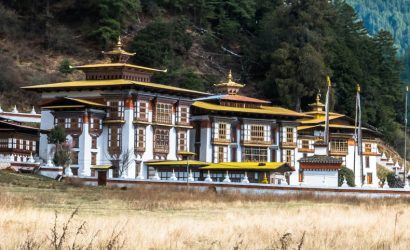
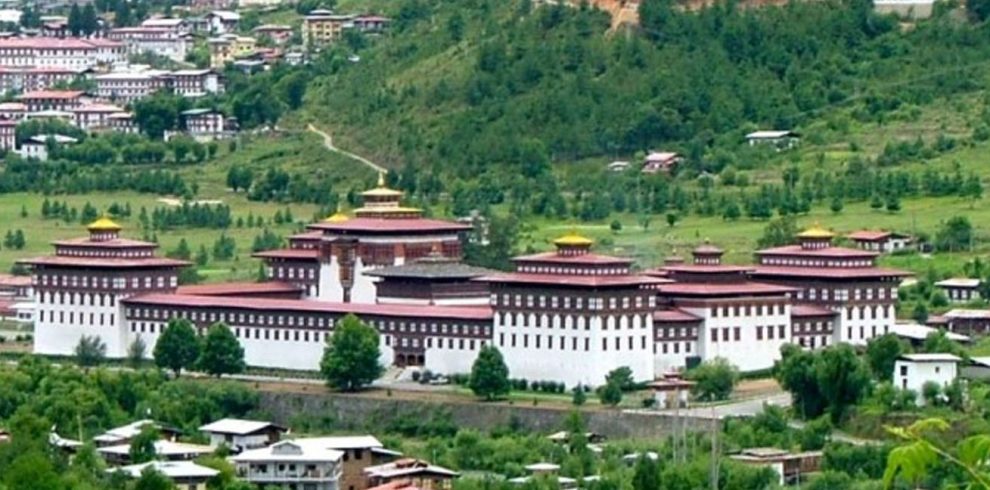
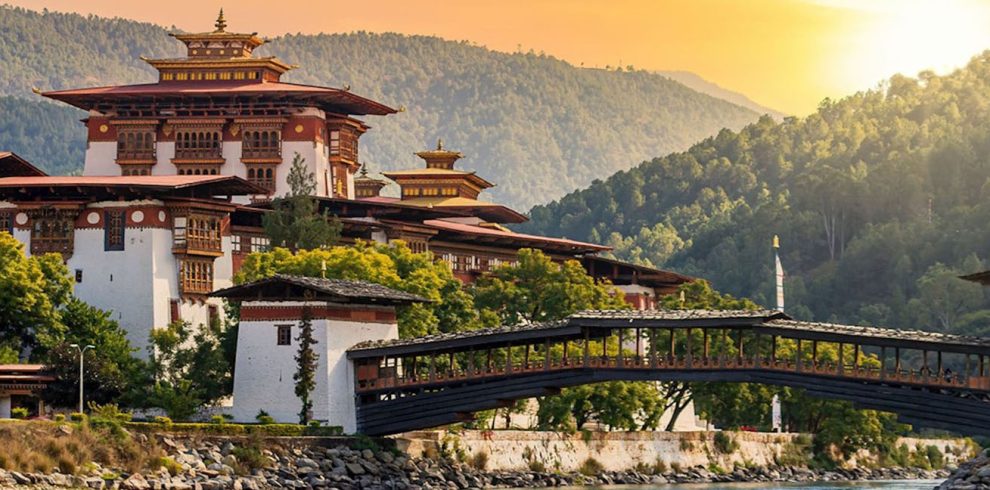
The district is home to the Mongar Dzong, a fortress-monastery built in the 17th century during the time of Zhabdrung Ngawang Namgyal, the unifier of Bhutan. The Dzong served both as a defensive stronghold against external threats and as a religious center for local Buddhist communities. Like many Bhutanese dzongs, it combined administrative, military, and spiritual functions under one roof, reflecting the dual system of governance established by the Zhabdrung.
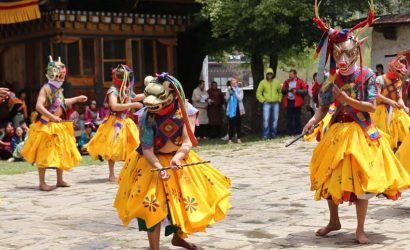
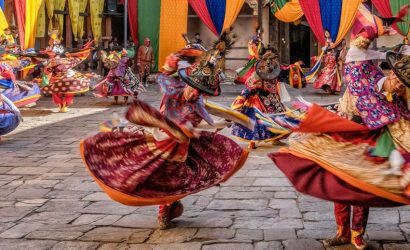
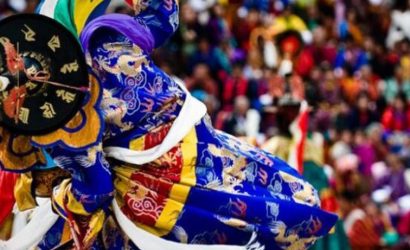
Mongar has been a center for Buddhist education and culture for centuries. Numerous lhakhangs (temples) and monasteries were established in the surrounding hills, and the district became known for its traditional arts, crafts, and festivals (tshechus), which remain an integral part of its cultural identity.
Over time, Mongar developed into a regional administrative hub, linking remote eastern villages with central Bhutan. Its growth has been guided by both tradition and modern development, including schools, roads, and markets, while still preserving its natural beauty and cultural heritage. Today, Mongar stands as a vibrant district that blends historical legacy, spiritual traditions, and natural landscapes, attracting visitors to explore its dzong, monasteries, local culture, and the scenic Kuri Chhu river valley.
Eastern Jewel of Bhutan
Mongar, located in eastern Bhutan, is a scenic district known for its historic Mongar Dzong, lush Kuri Chhu river valley, and traditional villages. Visitors can experience vibrant cultural festivals, authentic rural life, and the natural beauty of eastern Bhutan all in one destination.
Attractions
- Mongar Dzong - Historic fortress-monastery built in the 17th century; serves as an administrative and religious center.
- Kuri Chhu River Valley - Scenic river valley perfect for nature walks, photography, and exploring local villages.
- Chorten Kora - A stupa built in the 17th century, an important pilgrimage site in eastern Bhutan.
- Local Monasteries & Lhakhangs - Small temples and monasteries scattered across hills and valleys, reflecting traditional Bhutanese architecture.
- Traditional Villages - Experience rural life, local customs, and authentic Bhutanese hospitality.
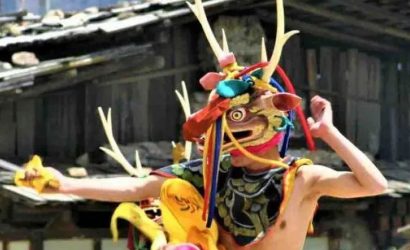
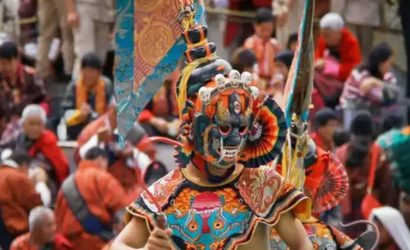
- Festivals (Tshechus) - Colorful cultural and religious festivals featuring mask dances and rituals.
- Nature Trails & Forests - Ideal for trekking, birdwatching, and enjoying eastern Bhutan’s lush landscapes.