Bhutan is a kingdom where ancient traditions and Buddhist values shape everyday life. The country’s unique identity is deeply rooted in spirituality, community, and respect for nature, making it one of the most culturally rich destinations in the world.
Religion & Spirituality
Buddhism is at the heart of Bhutanese culture. Monasteries, stupas, and prayer flags dot the landscape, while monks play an important role in guiding spiritual life. Every aspect of daily living, from architecture to art, reflects deep Buddhist influence.
Dress & Etiquette
The Bhutanese people proudly preserve their national dress:
-
Men wear the Gho, a knee-length robe tied at the waist.
-
Women wear the Kira, a full-length dress with a light jacket.
This attire is still worn daily, especially in schools, government offices, and during festivals.
Festivals (Tshechus)
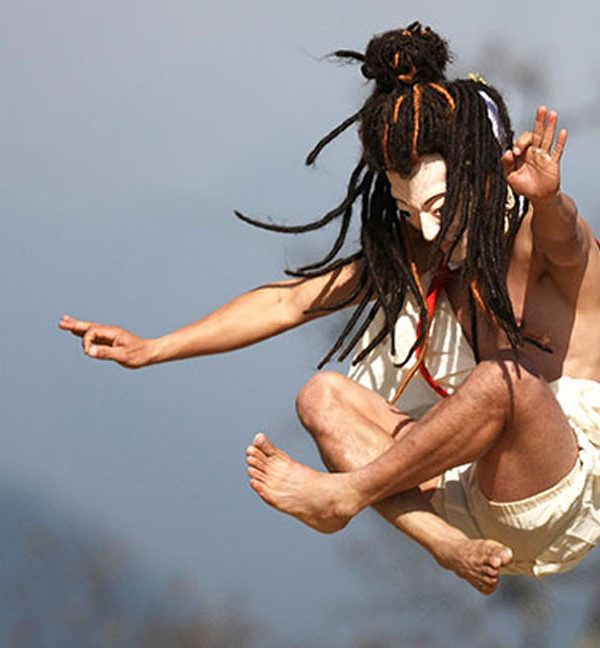
Bhutan’s vibrant festivals, called Tshechus, are held in different regions throughout the year. These celebrations include masked dances (Cham), folk music, and rituals performed to honor Guru Rinpoche, the patron saint of Bhutan. The most popular are the Paro Tshechu, Thimphu Tshechu, and Punakha Drubchen.
Architecture & Arts
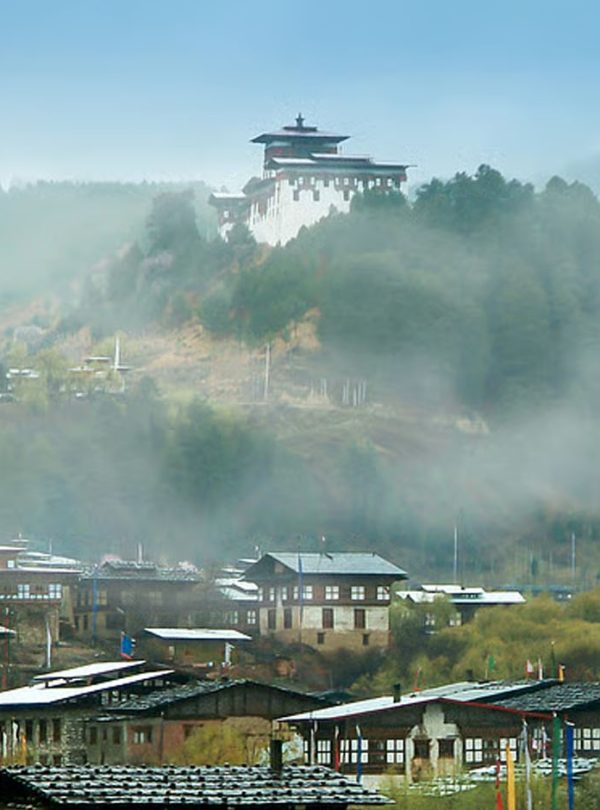
The country’s iconic Dzongs (fortresses) and traditional houses are built without nails, using intricate woodwork and stone craftsmanship. Arts and crafts — known as the “13 Traditional Arts of Bhutan” (Zorig Chusum) — include painting, weaving, wood carving, and clay sculpture.
Cuisine
Food in Bhutan is simple yet flavorful, with chili peppers playing a starring role. Ema Datshi (chilies with cheese) is the national dish, often enjoyed with red rice. Butter tea (Suja) and local spirits like Ara are also common in daily life.
Values & Way of Life
Bhutanese society emphasizes family, respect, and harmony with nature. Guided by the philosophy of Gross National Happiness, the people value community well-being and sustainable living over material wealth.