WESTERN BHUTAN
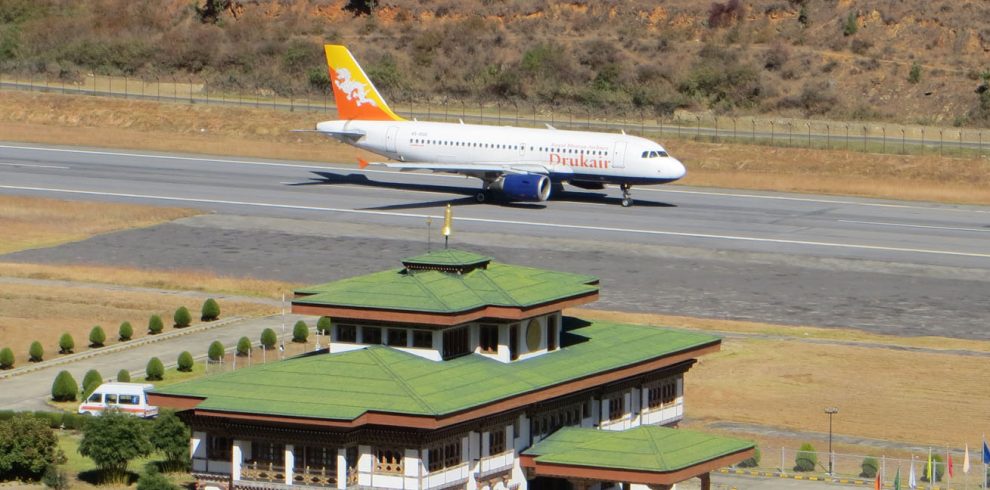
Western Bhutan, often referred to as the gateway to the kingdom, includes districts such as Paro, Thimphu, Haa, Punakha, and Gasa. This region is the most accessible part of Bhutan and is known for its stunning valleys, historic dzongs, monasteries, and cultural landmarks. Western Bhutan is often the first stop for travelers entering the country, with Paro International Airport serving as the main entry point.
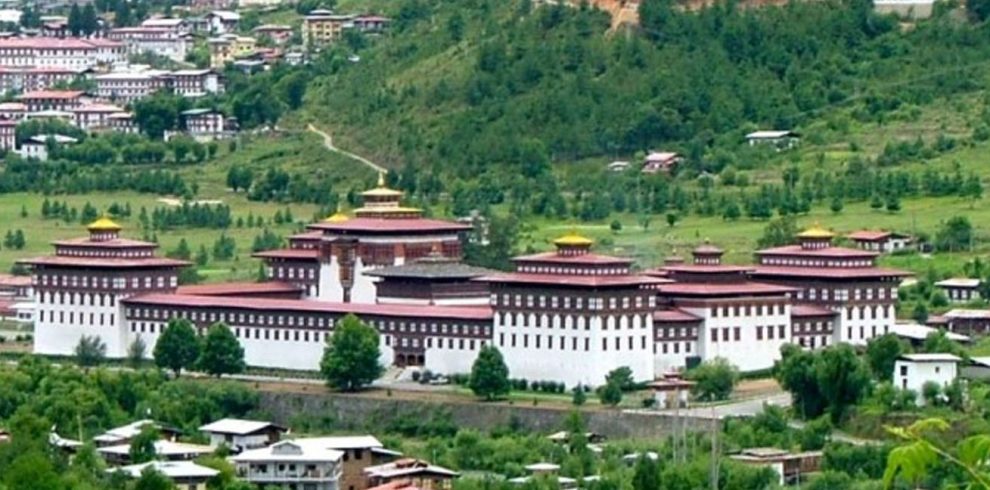
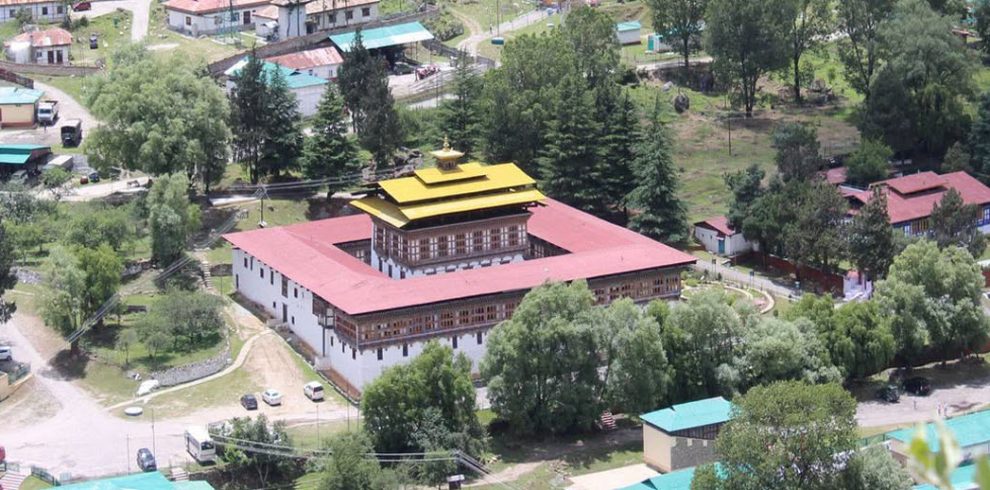
The region is famous for its iconic heritage sites, including Paro Taktsang (Tiger’s Nest Monastery) perched on a cliff, Punakha Dzong at the confluence of two rivers, and Thimphu Dzong, the administrative and spiritual center of the capital. Haa Valley and Gasa offer remote, serene landscapes with traditional villages, alpine pastures, and natural hot springs, ideal for trekking and nature walks.
Western Bhutan blends cultural richness with scenic beauty. Festivals (tshechus) are celebrated with elaborate mask dances, rituals, and community participation, allowing visitors to experience Bhutanese traditions and spirituality firsthand. Agriculture thrives in fertile valleys, with locals cultivating rice, potatoes, and vegetables, while weaving, handicrafts, and artisanal products reflect the region’s cultural heritage.
The landscapes are varied, ranging from lush river valleys and terraced fields to snow-capped mountains and high passes. Western Bhutan is ideal for travelers seeking a mix of adventure, cultural immersion, and iconic sightseeing, providing a comprehensive introduction to the essence of Bhutan.
DESTINATION
Bhutan, known as the Land of the Thunder Dragon, is a small yet enchanting kingdom in the eastern Himalayas, celebrated for its stunning landscapes, rich culture, and preserved traditions. The country is divided into several regions—Western, Central, Eastern, and Southern Bhutan—each offering unique experiences, natural beauty, and cultural heritage.