SOUTHERN BHUTAN
Southern Bhutan is a lush, fertile, and forested region of the kingdom, stretching along the border with India. This region includes districts such as Sarpang, Chukha, Dagana, Tsirang, Samtse, Zhemgang, and Gelephu, and is known for its lowland plains, river valleys, and rolling hills. Southern Bhutan is less frequented by tourists, offering authentic rural experiences and a glimpse into traditional Bhutanese lifestyles.
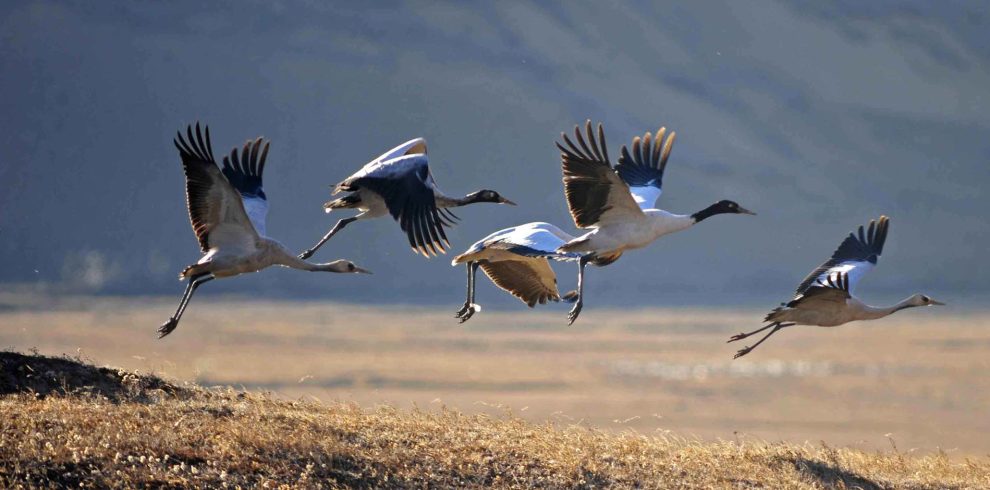
The region is rich in biodiversity, with parts of Royal Manas National Park and other protected areas located here. These forests are home to endangered species like tigers, elephants, and golden langurs, making Southern Bhutan a hotspot for eco-tourism and wildlife exploration. Agriculture is central to life in the region, with communities cultivating rice, maize, cardamom, and other crops, supported by fertile soils and river irrigation.
Southern Bhutan also preserves cultural traditions, with local villages, lhakhangs (temples), and monasteries scattered throughout the hills and plains. Festivals (tshechus) celebrate religious traditions with mask dances, rituals, and communal gatherings, reflecting the spiritual heritage of the area. Towns like Gelephu and Phuentsholing serve as major commercial and transportation hubs, connecting rural communities with India and other parts of Bhutan.
With its combination of natural beauty, cultural heritage, and rural authenticity, Southern Bhutan offers a unique travel experience. Visitors can explore dense forests, fertile plains, traditional villages, and wildlife sanctuaries, while experiencing the tranquil lifestyle and hospitality of southern Bhutanese communities.
DESTINATION
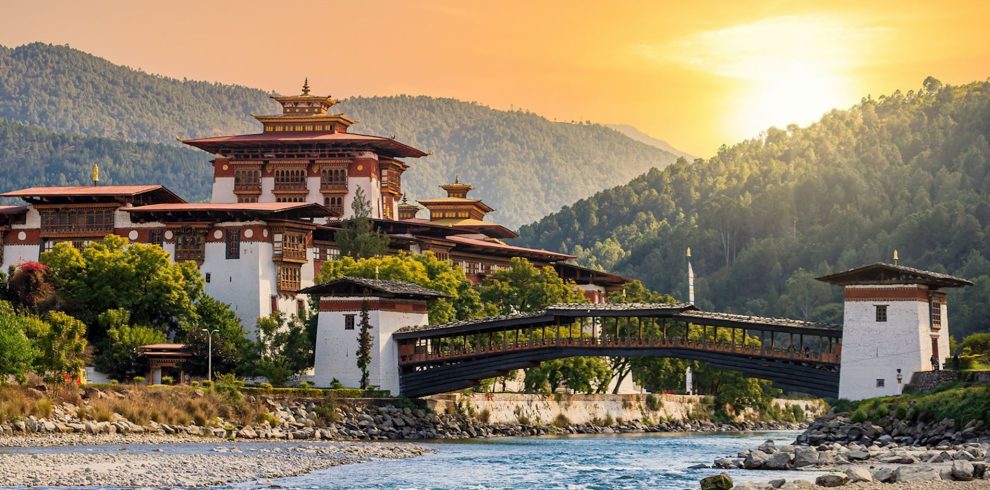
Bhutan, known as the Land of the Thunder Dragon, is a small yet enchanting kingdom in the eastern Himalayas, celebrated for its stunning landscapes, rich culture, and preserved traditions. The country is divided into several regions—Western, Central, Eastern, and Southern Bhutan—each offering unique experiences, natural beauty, and cultural heritage.