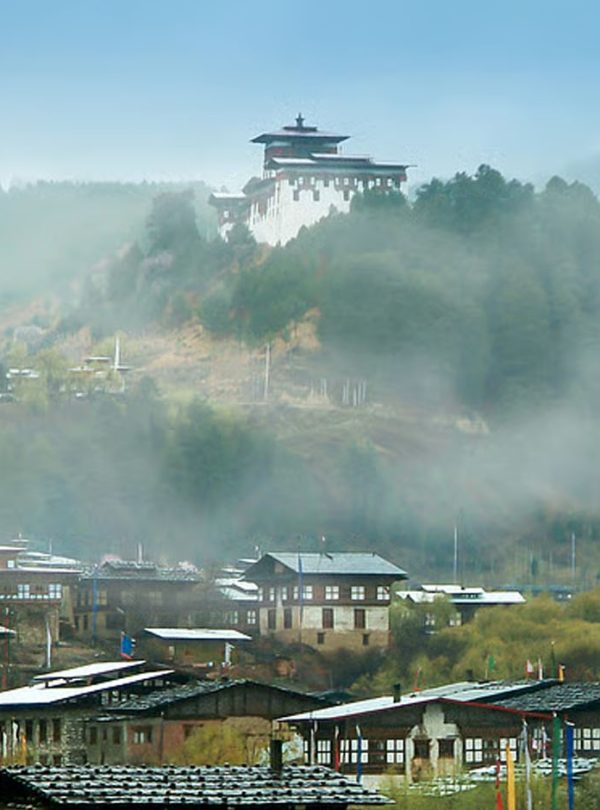
Bhutan is often described as a living museum of spiritual architecture, where majestic Dzongs (fortresses) and serene monasteries dominate the landscape. These sacred sites are not only centers of religion but also symbols of Bhutan’s history, culture, and governance.
Dzongs – Fortresses of Faith and Power
Dzongs are massive fortress-like structures built without the use of nails, showcasing Bhutanese craftsmanship and artistry. Traditionally, they serve a dual purpose:
-
Religious: Housing monasteries and sacred relics.
-
Administrative: Serving as government and district offices.
Famous Dzongs to Explore:
-
Punakha Dzong – Known as the Palace of Great Happiness, it is one of the most beautiful and historically important Dzongs, located at the confluence of the Pho Chhu and Mo Chhu rivers.
-
Trongsa Dzong – The largest fortress in Bhutan, strategically overlooking central Bhutan, and historically significant as the ancestral seat of Bhutan’s royal family.
-
Paro Dzong (Rinpung Dzong) – A stunning fortress overlooking Paro Valley, famous for its massive walls and annual Paro Tshechu festival.
-
Tashichho Dzong (Thimphu) – The seat of Bhutan’s government and the office of the King, blending tradition with administrative importance.
Monasteries – Guardians of Spirituality
Bhutan’s monasteries are peaceful sanctuaries where monks devote their lives to prayer, meditation, and preservation of Buddhist teachings. They are often perched dramatically on cliffs or nestled deep in valleys, adding to their spiritual aura.
Iconic Monasteries to Visit:
-
Paro Taktsang (Tiger’s Nest Monastery) – The most iconic site in Bhutan, clinging to a cliff 900 meters above Paro Valley. It is a sacred pilgrimage site believed to be blessed by Guru Rinpoche.
-
Gangtey Monastery (Phobjikha Valley) – A 17th-century monastery overlooking the valley famous for the winter migration of black-necked cranes.
-
Cheri Monastery (Thimphu) – The first monastery established in Bhutan, rich with historical and spiritual significance.