
Wangdue Phodrang, one of Bhutan’s largest districts, holds deep historical and cultural importance. Its name is derived from a story dating back to the 17th century. When Bhutan’s unifier, Zhabdrung Ngawang Namgyal, was searching for a strategic location to build a fortress, he met a young boy named Wangdi playing by the river. Amused, the Zhabdrung declared that the fortress to be built there would be called Wangdi Phodrang, meaning “Wangdi’s Palace.”
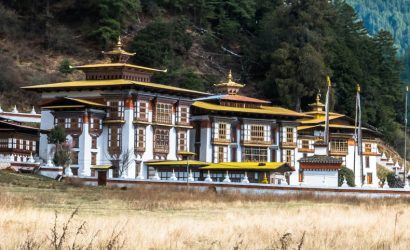
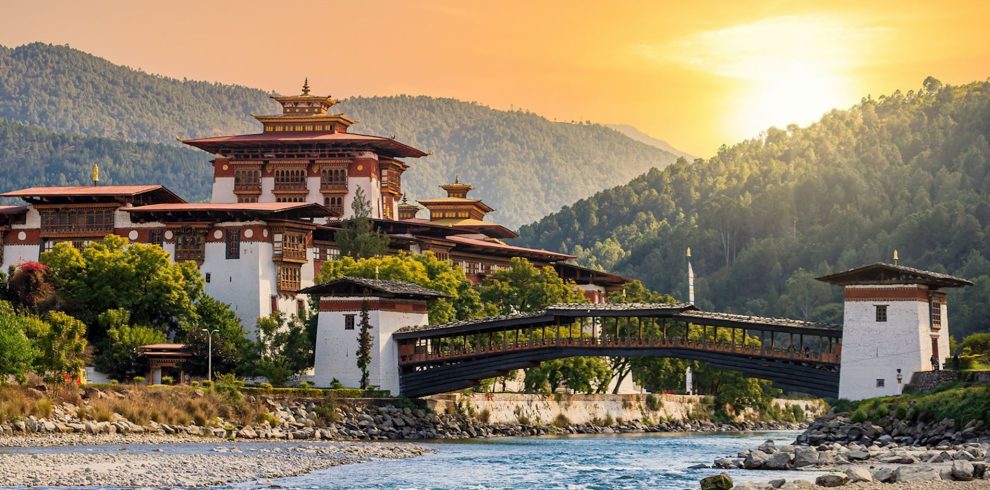
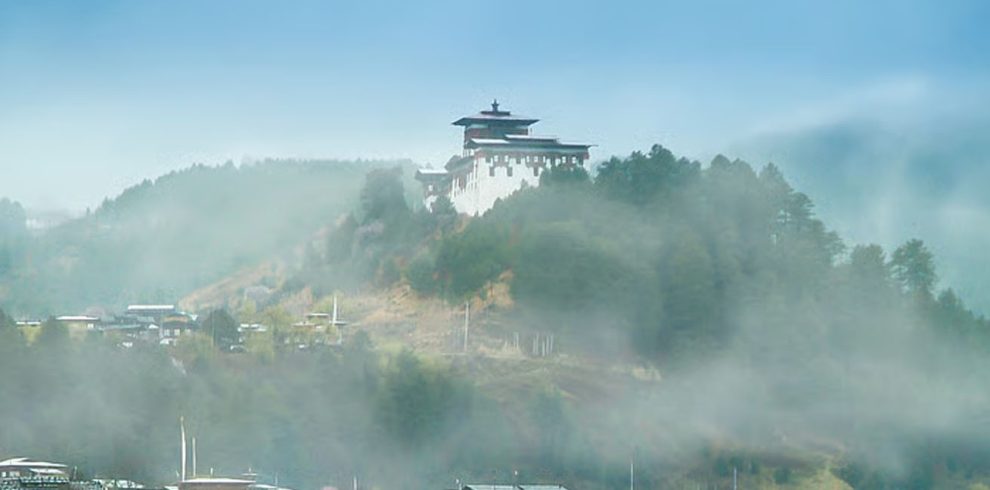
The construction of Wangdue Phodrang Dzong began in 1638 under Zhabdrung’s command. Built on a high ridge overlooking the confluence of the Punatsangchhu and Dangchhu rivers, the Dzong served as a strategic defense point against invasions from the south. The Dzong’s location also allowed control over vital routes leading to Trongsa, Punakha, and central Bhutan, making Wangdue an important administrative and military center.
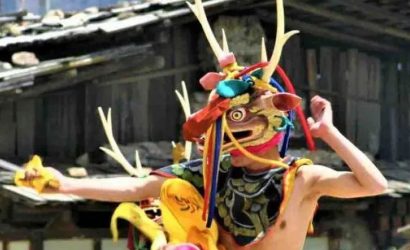
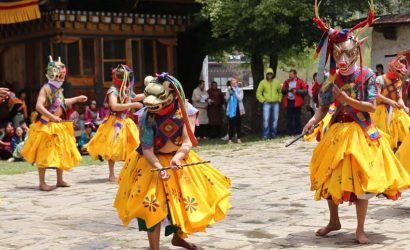
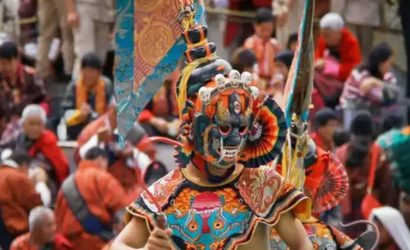
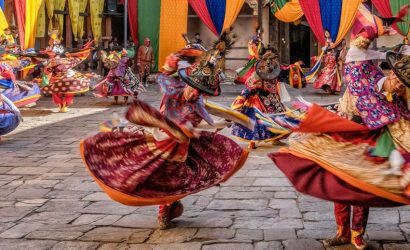
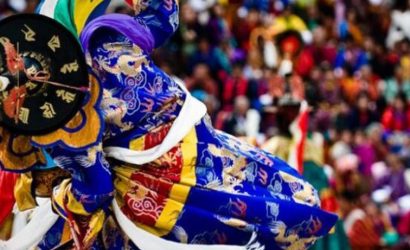
Throughout Bhutanese history, Wangdue Phodrang played a crucial role in unifying the western and central regions of the country. The Dzong became the seat of both the secular and religious authorities of the district. It housed monks and administrative offices and was the site of annual festivals (Wangdue Tshechu), which continue to this day, attracting large crowds for spiritual blessings and mask dances.
In 2012, tragedy struck when a massive fire engulfed Wangdue Phodrang Dzong, destroying much of the historic structure and countless priceless relics. However, Bhutan’s leadership immediately prioritized its reconstruction. With support from both the government and international donors, rebuilding began, following traditional Bhutanese architectural methods to preserve its authenticity. The newly reconstructed Dzong was consecrated in 2022, restoring Wangdue Phodrang’s cultural and historical pride.
Today, Wangdue Phodrang is not only a symbol of Bhutanese history and resilience but also a gateway to natural treasures like the Phobjikha Valley, home of the black-necked cranes, and several important monasteries. Its legacy continues to connect Bhutan’s past, present, and future.
A historic gateway to central Bhutan
Wangdue Phodrang, commonly called Wangdue, is one of Bhutan’s largest districts, located in the central-western region of the country. Known for its scenic valleys, rivers, and rich biodiversity, Wangdue serves as a gateway to central and eastern Bhutan. It is famous for its traditional villages, spiritual sites, and as the entry point to Phobjikha Valley, the winter home of the rare black-necked cranes.
Attractions
- Wangdue Phodrang Dzong - A historic fortress overlooking the Punatsangchhu River, recently rebuilt after a fire in 2012.
- Phobjikha Valley (Gangtey Valley) - Stunning glacial valley, home to black-necked cranes and the famous Gangtey Monastery.
- Gangtey (Gangtey Goemba) - A prominent Nyingma monastery with panoramic valley views.
- Rinchenling Lhakhang & Other Temples - Spiritual sites reflecting Bhutanese traditions.
- Nature & Bird Watching - Rich forests and diverse wildlife, especially migratory birds.
- Villages & Farmhouses - Authentic rural Bhutanese experiences.
- Trek Routes - Access point for treks leading deeper into central Bhutan.